Digestive problems are very common in Pakistan. Many people experience diarrhea, stomach discomfort, or frequent bowel movements. Often, people think the problem is only related to food. However, sometimes the real cause is stress affecting the brain and digestive system together.
Doctors now understand that the brain and gut work closely together. This is called the gut brain connection. When the brain feels stress, anxiety, or pressure, it can directly affect digestion. In many patients, this leads to diarrhea, stomach pain, or irregular bowel habits.
In this article, we will explain a real-life case example and help you understand how the brain and gut are connected, why stress can cause diarrhea, and when you should see a gastroenterologist.
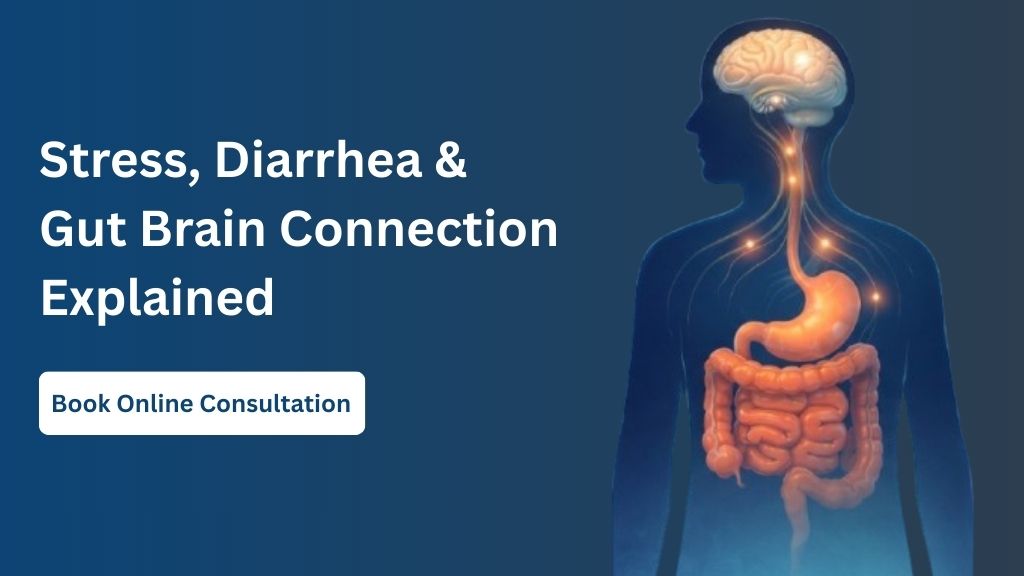
Many people ask what the brain is and how it affects digestion. The brain is the main control center of the body. Different brain parts send signals to organs like the stomach, liver, and intestines.
The function of the brain is not only thinking and emotions. It also controls digestion, hormones, and body movements. Through the gut brain connection, the brain communicates with the digestive system using nerves, hormones, and chemical signals.
Because of this connection, emotional stress can affect the gut.
For example:
All these factors can disturb the gut brain connection and cause digestive symptoms.
This is why many people notice that when they are calm and relaxed, their stomach feels better. But during stressful situations, they may experience diarrhea or stomach discomfort.
Doctors call this condition Disorder of Gut Brain Interaction (DGBI).
A 45-year-old bank employee visited a gastroenterology clinic. He had been experiencing diarrhea for about six months.
His symptoms included:
Interestingly, he did not have weight loss, blood in stool, or nighttime diarrhea.
When he stayed at home or during holidays, his symptoms improved. This strongly suggested that the brain and stress were affecting his gut.
Doctors performed some basic tests to rule out serious diseases.
These tests included:
All test results came back normal.
In Pakistan, doctors must rule out serious diseases such as:
Sometimes advanced procedures like ultrasound endoscopy, ERCP, or even PEG tube placement are needed for severe digestive diseases. However, in this case, none of these were required.
Doctors reassured the patient that his symptoms were related to the gut brain connection, not a dangerous disease.
He was treated with:
After eight weeks, the patient improved significantly. His bowel movements returned to normal, and he started enjoying life again.
This clearly shows how the brain can influence digestion.
The brain and gut communicate through a network of nerves called the gut-brain connection.
When the brain senses stress, it sends signals that can:
This is why people feel stomach upset before exams, job interviews, or stressful meetings.
Doctors call this condition psychosomatic, meaning the brain and body affect each other.
However, it is important to remember that digestive symptoms should never be ignored. Doctors must rule out other serious diseases such as:
For liver assessment, doctors may recommend a fibroscan test. Pakistan also has a high rate of hepatitis, so it is important to understand پاکستان میں ہیپاٹائٹس: علامات اور علاج and get proper screening.
Besides stress, diet also plays an important role in digestion.
One important factor is Fiber in Digestive Health.
Doctors recommend eating fiber because:
Fiber helps improve digestive health by:
Foods rich in fiber include:
A balanced diet helps maintain a healthy gut brain connection.
Many digestive problems are also related to acid reflux and stomach inflammation. If you want to learn more, read about معدے کی تیزابیت کے اسباب، علامات اور علاج and how lifestyle changes can help.
Although stress-related diarrhea is common, you should consult a specialist if you experience:
Early diagnosis helps doctors rule out serious conditions and treat digestive disorders effectively.
In some cases, doctors may recommend further tests like a colonoscopy, imaging, or specialized digestive procedures.
For reliable digestive health information, you can also follow professional medical updates here:
FACEBOOK PAGE
Your brain and digestive system are deeply connected. The gut brain connection means that emotional stress can affect digestion and cause symptoms like diarrhea or abdominal discomfort.
The good news is that these conditions are treatable. With proper medical evaluation, stress management, and lifestyle changes, most patients recover and live normal lives.
If you are experiencing long-term diarrhea, stomach pain, or digestive discomfort, do not ignore the symptoms. Early consultation with a gastroenterologist can help rule out serious diseases and provide the right treatment.
Book a consultation today with Islamabad Gastroenterology Associates and take the first step toward better digestive health and a balanced brain–gut connection.
Your health matters, and expert care can make all the difference.
The gut brain connection is the communication system between the brain and the digestive system. The brain sends signals to the stomach and intestines through nerves and hormones. Because of this connection, stress, anxiety, or emotional pressure can affect digestion and cause symptoms like diarrhea, stomach pain, or bloating.
Yes, stress can affect the brain and disturb the gut brain connection. When a person is under pressure, the brain sends signals that can speed up bowel movements. This can lead to frequent diarrhea, abdominal discomfort, and urgency to use the toilet.
Doctors usually start with basic tests to rule out serious diseases. These may include:
If necessary, doctors may also recommend procedures like ultrasound endoscopy, ERCP, or other tests to check digestive health.
You should consult a doctor if you experience:
These symptoms may require further medical evaluation.
Fiber in Digestive Health is very important. Fiber helps regulate bowel movements and supports good gut bacteria. In fact, Fiber helps improve digestive health by reducing constipation, improving digestion, and protecting the colon.
Foods rich in fiber include fruits, vegetables, lentils, and whole grains.
Yes. Stress affecting the brain can worsen many digestive conditions, including:
Managing stress is important for improving the gut brain connection and digestive health.
Doctors often recommend a fibroscan test to check liver stiffness and fatty liver disease. This test is commonly used in Pakistan because hepatitis infections are common. Understanding پاکستان میں ہیپاٹائٹس: علامات اور علاج is also important for protecting liver health.
Yes. Since the brain and gut are connected, treatments that calm the brain—such as stress management, therapy, exercise, and sometimes medication—can improve digestive symptoms related to the gut brain connection.
