Have you ever felt a burning sensation in your chest after eating spicy food or lying down? This is called heartburn, and medically it is known as GERD (Gastroesophageal Reflux Disease). Many people in Pakistan ignore it, but if it continues for a long time, it can become serious.
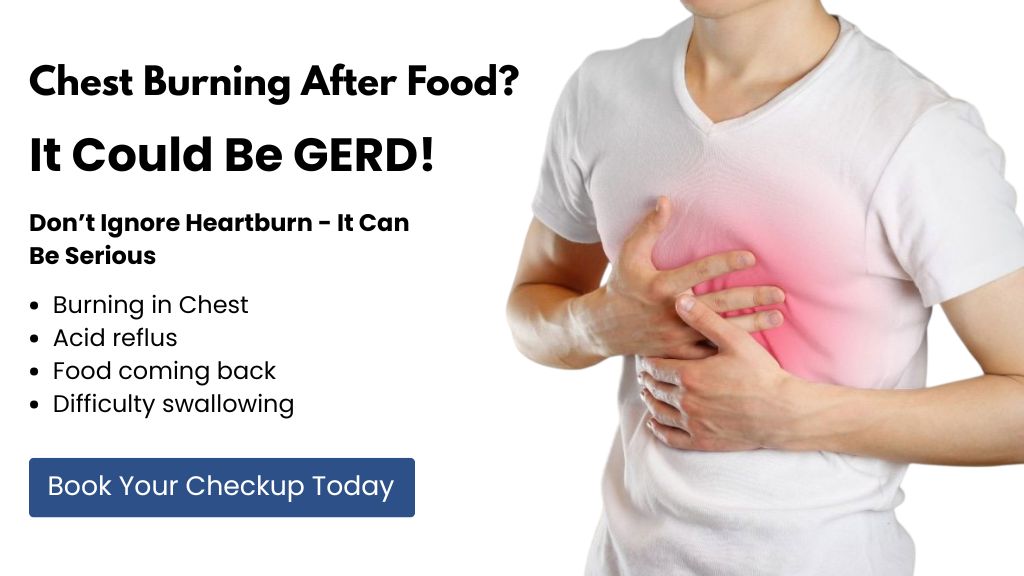
In simple words, what is heartburn? It happens when stomach acid moves back into the food pipe, causing irritation and burning.
This guide will help you understand heartburn meaning in urdu (دل میں جلن), its causes, risks, and simple prevention tips.
GERD happens when a valve between the stomach and food pipe becomes weak. This valve should stop food from coming back up, but when it doesn’t work properly, acid flows upward.
دل میں جلن ایک ایسی حالت ہے جس میں سینے کے درمیان یا اوپری حصے میں تیز جلن یا گرمی محسوس ہوتی ہے۔ یہ مسئلہ اس وقت ہوتا ہے جب معدے کا تیزاب خوراک کی نالی میں واپس آ جاتا ہے اور وہاں جلن پیدا کرتا ہے۔ اس کیفیت میں مریض کو کھانے کے بعد یا لیٹنے پر زیادہ تکلیف محسوس ہو سکتی ہے۔ یہ ایک عام مسئلہ ہے جو اکثر غیر صحت مند خوراک، زیادہ مصالحہ دار کھانے اور بے ترتیب طرزِ زندگی کی وجہ سے ہوتا ہے۔
Many people confuse GERD with other digestive issues like Peptic Ulcer Disease, pancreatitis, or even Gallstones Symptoms. While Gallstones usually cause pain on the right side of the abdomen, GERD mainly causes chest burning.
GERD is becoming very common in Pakistan due to lifestyle habits.
Spicy and oily foods like biryani, karahi, and fried snacks increase acid production. Excess tea and coffee also worsen symptoms.
A sedentary lifestyle slows digestion and increases acid reflux.
Extra weight puts pressure on the stomach and increases the risk of GERD and Gallstones.
Hormonal changes and pressure on the stomach cause heartburn in pregnancy.
Both increase acid levels and weaken the digestive system.
Ignoring GERD can lead to serious complications.
Long-term acid damage changes the food pipe lining.
In severe cases, it may lead to esophageal or colorectal cancer.
Food getting stuck while eating is a warning sign.
GERD may occur with:
The good news is GERD can be controlled with simple habits.
Avoid oily and spicy food. Eat fruits and vegetables.
Fiber in Digestive Health is very important because fiber helps improve digestive health and also reduces risk of Gallstones.
Avoid heavy meals. Eat smaller portions more frequently.
Wait at least 2–3 hours before sleeping.
Weight control reduces pressure on the stomach and prevents GERD and Gallstones.
Walking for 20–30 minutes helps digestion.
If symptoms continue, consult a specialist.
These can be signs of serious disease.
GERD (heartburn) is common but should not be ignored. With simple lifestyle changes, you can control it and avoid complications like Gallstones, ulcers, and cancer.
If you are facing heartburn symptoms, take action early.
Consult expert doctors at Islamabad Gastroenterology Associates for proper diagnosis and treatment.
Follow us here:
FACEBOOK
Heartburn, also called GERD (Gastroesophageal Reflux Disease), is a condition where stomach acid goes back into the food pipe and causes a burning feeling in the chest or throat.
Common symptoms include:
Heartburn causes include:
Occasional heartburn is common, but long-term GERD can become serious. If ignored, it may lead to complications like inflammation of the food pipe, swallowing problems, or in rare cases, cancer changes in the esophagus.
Heartburn meaning in Urdu is “سینے میں جلن” or “معدے کی تیزابیت سے سینے میں جلن”.
Heartburn treatment includes:
Avoid:
Yes, heartburn in pregnancy is very common due to hormonal changes and pressure on the stomach from the growing baby.
You should consult a doctor if:
GERD can be controlled very well with lifestyle changes and medicines. In some severe cases, medical procedures may be needed, but most patients manage it successfully with proper care.
