“Doctor, my Hepatitis B is under control. Why did I still develop liver cancer?”
This is a question liver specialists in Pakistan hear more and more often. Many people believe that taking antiviral medicine alone is enough to protect their liver from Chronic Hepatitis B. While medicine is very important, your overall health also plays a major role in keeping your liver healthy.
In Pakistan, thousands of people are diagnosed with Hepatitis B every year. If you have diabetes, are overweight, or have high blood pressure along with Chronic Hepatitis B, your liver may be under extra stress. Even when the Hepatitis B virus is well controlled, these conditions can increase the risk of liver damage and liver cancer over time. Research shows that managing both the virus and your metabolic health together provides the best protection for your liver.
Let’s understand why your overall health matters and what you can do to protect your liver.
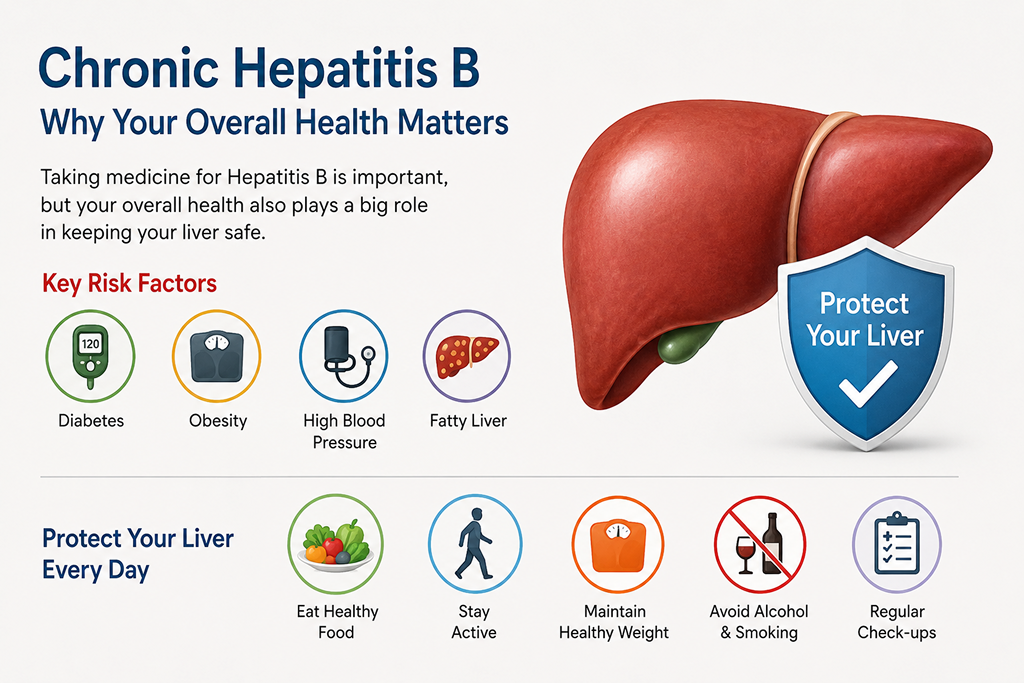
Chronic Hepatitis B is a long-term infection caused by the hepatitis B virus (HBV). Many people have no symptoms for years, which is why it is often called a “silent disease.” Without proper monitoring, it can slowly damage the liver and may lead to liver fibrosis (early scarring), cirrhosis (severe, permanent scarring), or liver cancer.
The good news is that modern Hepatitis B treatment can control the virus and significantly reduce liver damage. However, controlling the virus is only one part of staying healthy.
Doctors now understand that these conditions can also damage the liver on their own:
When these conditions occur together with Chronic Hepatitis B, the liver faces two sources of injury at the same time. This is sometimes described as the “two-hit” effect: one hit from the hepatitis B virus, and a second hit from poor metabolic health. Together, they increase the chance of liver complications more than either condition alone.
That is why Hepatitis B treatment should always include regular liver check-ups, healthy lifestyle changes, and management of other medical conditions, not the antiviral medicine alone.
Even if antiviral medicines successfully suppress the virus, excess body fat and uncontrolled diabetes continue to place stress on the liver. Fat builds up inside liver cells, causing inflammation. Over many years, this ongoing inflammation may increase the risk of liver fibrosis, cirrhosis, and liver cancer.
Doctors are seeing a rapid rise in MASLD (Metabolic Dysfunction-Associated Steatotic Liver Disease previously known as fatty liver disease). Since the liver is closely connected to the rest of the digestive system, this condition often overlaps with other chronic digestive issues that affect long-term health. MASLD has become one of the leading causes of chronic liver disease and liver cancer worldwide, even among people whose Hepatitis B is well controlled.
If you have Chronic Hepatitis B along with diabetes or obesity, do not ignore these conditions. Treating all of them together gives your liver the best chance to stay healthy.
Many people with Chronic Hepatitis B have no symptoms until significant liver damage has already occurred. This is why regular follow-up appointments are extremely important.
Living with Hepatitis B does not mean you cannot enjoy a healthy life. It simply means making smart choices every day.
Never stop your Hepatitis B medication without consulting your liver specialist. Missing treatment can allow the virus to become active again.
If you have diabetes, monitor your blood sugar regularly and follow your doctor’s advice. Good diabetes control helps reduce liver stress.
Even losing 5–10% of your body weight can improve liver health and reduce fatty liver.
Choose: fresh vegetables, fruits, whole grains, lean protein, healthy fats Reduce: sugary drinks, fast food, fried foods, processed snacks
Aim for at least 30 minutes of walking or moderate exercise most days of the week. Physical activity improves both liver health and overall fitness.
Alcohol can speed up liver damage in people with Chronic Hepatitis B. Smoking also increases health risks.
Routine blood tests, a liver ultrasound, and a FibroScan (a painless scan that checks for liver scarring, when recommended) help doctors detect problems early before serious complications develop.
If you’re interested in learning more about digestive health for your family, read our related article: Pediatric Digestive Disorders: Family Stories from Pakistan
You can also stay updated with liver health awareness by following Islamabad Gastroenterology Associates on Facebook.
Can Chronic Hepatitis B be cured completely?
Currently, Hepatitis B cannot be fully cured, but modern antiviral treatment can control the virus effectively and prevent most serious liver complications when combined with regular monitoring.
Does diabetes make Hepatitis B worse?
Yes. Uncontrolled diabetes adds extra stress to the liver, and together with Hepatitis B, it can raise the risk of liver damage even when the virus itself is well controlled.
How often should I get liver check-ups if I have Chronic Hepatitis B?
Most specialists recommend liver check-ups, blood tests, and ultrasounds every 6 months, though your doctor may adjust this based on your individual condition.
Is Chronic Hepatitis B contagious to family members?
Yes, it can spread through blood and certain body fluids. Vaccination for close family members and safe practices are recommended to ask your doctor for guidance.
Managing Chronic Hepatitis B is about much more than controlling the virus. Your liver works hard every day, and conditions like diabetes, obesity, fatty liver, and high blood pressure can quietly increase the risk of liver damage even when your antiviral medication is working well.
The best approach is to treat the whole person, not just the virus. By following your Hepatitis B treatment, maintaining a healthy weight, controlling diabetes, staying active, and attending regular liver check-ups, you can greatly reduce your risk of serious complications and enjoy a healthier future.
If you or a loved one is living with Hepatitis B, don’t wait until symptoms appear. Early monitoring and expert care can make a life-changing difference.
Book your consultation today with Islamabad Gastroenterology Associates and receive expert evaluation, personalized treatment, and ongoing liver care to protect your health for years to come.
